
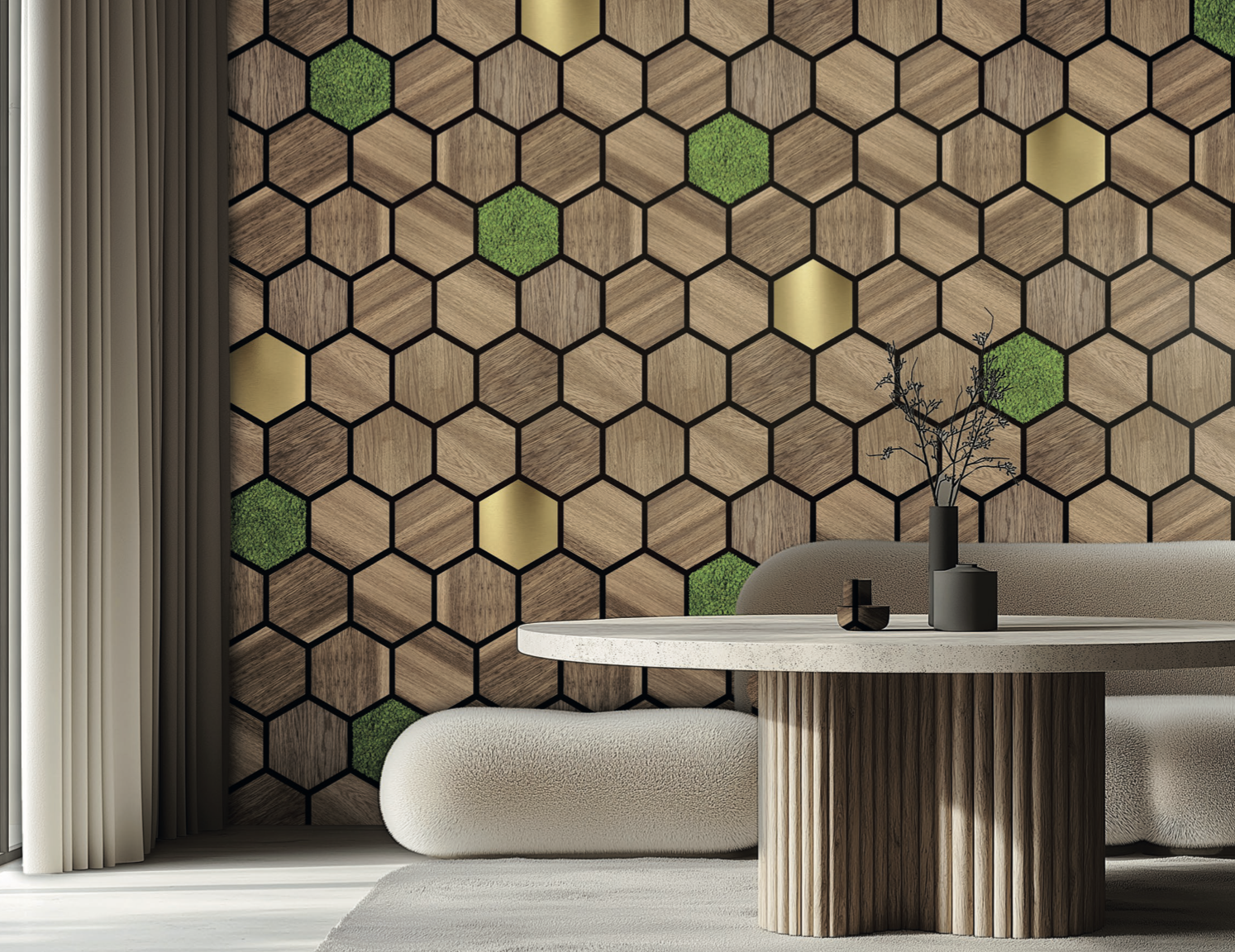
What makes a restaurant too noisy, and how do you fix it without compromising the design? The answer lies in acoustics, and acoustics starts at the design stage.
A restaurant can have the best kitchen in town, an attentive team and an interior designed down to the last detail. But if guests have to raise their voices to hear each other, their evening ends sooner than they would have liked. Sooner or later, it shows in the reviews.
Noise, the number one complaint of diners
In a Zagat survey of New York restaurant-goers, noise ranked first among diners’ complaints, ahead of slow or rude service. 72% of respondents said they avoid restaurants that are too loud.
A Consumer Reports analysis of restaurant chains reached the same conclusion: noise, from loud customers to blaring music, was the most frequently reported problem, ahead of service, food preparation and cleanliness.
Why today’s restaurants are so loud
Contemporary hospitality interiors favour hard, minimal surfaces: exposed concrete, glass, stone, metal, wooden floors and high ceilings. They look great in photos, but they reflect sound instead of absorbing it.
The result is an echo effect: conversations overlap, everyone speaks louder to be heard, and the noise level rises throughout the evening. Open kitchens, bars and background music amplify the effect.

How to reduce noise in a restaurant: 5 design rules
- Plan acoustics from the start. Problems are easiest to solve at the design stage, when you choose materials and plan absorbent surfaces.
- Use the walls and the ceiling. They are the largest surfaces in the room, so they are the most effective places for acoustic panels.
- Balance hard and soft surfaces. Textiles, upholstery, curtains and sound-absorbing panels reduce echo.
- Separate the zones. The bar, the open kitchen and the dining room have different noise levels; a room divider helps define them.
- Make acoustics part of the décor. In a restaurant, panels are on display, so they should complete the design, not spoil it.

AKUBEN by Benetti: acoustics and greenery in one panel
Benetti Home is an Italian brand specialising in indoor vertical gardens. The AKUBEN collection brings them together with acoustics: the name combines “Aku”, for acoustics, and “Ben”, for Benetti.
Each panel combines wood with Benetti stabilised moss and rests on a layer of 100% recycled felt, which helps absorb sound and creates a floating visual effect. The laminated wood comes from certified, responsibly managed forests.

Akuline
Wood alternating with moss in different varieties and combinations, for rhythmic, linear compositions.
Akudesign
Moss and wood in graphic and geometric compositions, in many types and colours.
Akuflat
Solid panels, in a carving version, sculpted for a three-dimensional effect, or a printing version, with patterns printed directly on the surface.
Finishes range from textured wood to gold details, and compositions can be completed with decorative frames, flowers and single- or double-sided room dividers.
Where they fit in a hospitality project
Benetti recommends AKUBEN panels for commercial spaces, lounges, conference rooms and open-plan offices. In a hospitality project, they work well in restaurant dining rooms and bar areas, hotel lobbies and lounges, event rooms and for zoning open spaces.
For walls that simply need to absorb sound and bring nature indoors, Benetti Moss vertical gardens, made from stabilised lichens, need no watering or light and are fire and dust resistant.

And if you want the wall to sing
For projects that want to go a step further, BenettiSOUND turns the green wall into a sound source. Panels made from 100% natural stabilised lichens integrate an audio system connected to an amplifier, controlled from a phone or tablet, for ambient music or live events. The wall is maintenance-free, very slim and easy to install.
Frequently asked questions about restaurant acoustics
Why is a restaurant with high ceilings and exposed concrete louder?
Hard surfaces reflect sound. Without absorbent materials, sound bounces several times before fading, and conversations overlap.
Do acoustic panels have to be hidden?
No. AKUBEN panels are designed as design pieces, customisable in colour, size and texture, and can become the focal point of a wall.
Do Benetti moss and lichens need maintenance?
No. They are stabilised, so they need no watering and no natural light.
Where can I find Benetti panels in Romania?
Benetti Home is distributed in Romania by Dedalo Agency, which provides product selection, samples and project support.
Benetti in your project
Well-designed acoustics make a space more pleasant, encourage conversation and bring guests back. For Benetti panel selection, samples, technical specifications and project support, the Dedalo Agency team is at your disposal.
See the Benetti catalogues →
Read also: Benetti Home, the vertical garden and acoustic design revolution →
Sources: Zagat survey, New York, 2013; Consumer Reports.